
What Happens to Your Bollard After a Vehicle Impact?
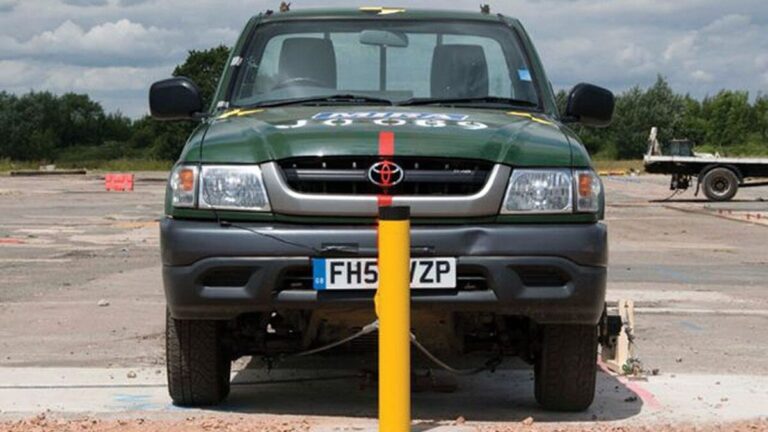
A bollard doing its job is a bollard that just stopped a vehicle. That’s a good outcome. But once the car has been moved and the adrenaline fades, you’re left with a question: what now? Is the bollard still effective? Does it need to be repaired or replaced? And how do you tell the difference?
Here’s a straightforward guide to what happens after a vehicle impact and what your next steps should be.
First: Don't Assume It's Fine
This is the most common mistake property owners make after a minor impact. The bollard is still standing, there’s no obvious structural damage, and it’s easy to assume everything is okay. But a bollard that looks intact on the surface may have suffered compromised footing, internal damage, or a shift in its anchor point that isn’t visible from above.
A bollard that has been weakened by impact but not replaced or properly assessed is a false sense of security. It looks like it’s doing its job, but it may not perform the way it should if it gets hit again.
What to Inspect After an Impact
Start with a visual inspection and work methodically.
The post itself. Look for dents, bends, cracks in the steel, or any deformation in the shape of the bollard. A slight dent from a low-speed impact may be cosmetic. A significant bend or crack in the post wall is a structural concern.
The base and ground collar. Check where the bollard meets the ground. Is the concrete collar cracked or broken? Is there any visible gap between the bollard and the surrounding surface? Has the bollard shifted position even slightly? Any movement at the base is a red flag.
The footing below. This one is harder to assess visually, but it matters most. The concrete footing that anchors the bollard is what actually stops a vehicle. If the impact was significant enough, that footing may have cracked or partially pulled from the surrounding ground, even if the above-ground portion looks okay.
For automatic bollards. Check whether the bollard still raises and lowers correctly. Unusual sounds, slower movement, resistance, or failure to complete the full cycle are all signs that internal components may have been affected. Also check the housing sleeve for debris, water ingress, or damage to the electrical connections.
What Can Be Repaired
Minor cosmetic damage, such as surface scratches, chipped paint, or small dents that haven’t affected the structural integrity of the post, can usually be addressed with cleaning, rust treatment, and touch-up paint or a bollard cover.
If the post has been bent but the footing remains intact and the bollard hasn’t shifted position, a replacement post may be possible without excavating the entire installation. This depends on the type of bollard and how the sleeve system is set up.
When Replacement Is the Right Call
Full replacement is generally the right call when:
- The post has been significantly bent, cracked, or deformed
- The bollard has visibly shifted from its original position
- The concrete footing is cracked or disrupted
- An automatic bollard is no longer cycling correctly after the impact
- The bollard was hit at speed rather than a low-speed nudge
In these cases, patching the damage or leaving the bollard in place creates a liability. A bollard that can’t perform as designed is worse than no bollard in some ways, because it may give a false impression of security without delivering it.
The Liability Angle
If your bollard was installed to protect a storefront, pedestrian area, or building entrance and it was damaged in an impact, there’s a liability consideration beyond just the hardware. A property owner who is aware of damaged protective infrastructure and doesn’t address it is in a more difficult position legally if a subsequent incident occurs.
Documenting the impact, having the bollard professionally assessed, and completing any necessary repairs or replacement promptly is both the right thing to do and the smart thing to do from a risk management perspective.
How a Bollard Care Plan Helps
If you’re on a Bollard Boys GTA Bollard Care Plan, impact damage is part of the picture. The Bollard Care+ plan at $249/month includes accidental damage coverage with 75% savings on parts and priority emergency callouts within 24 to 48 hours, which means you’re not waiting around to get a damaged bollard assessed and back in service.
For commercial properties where a functioning bollard is part of your daily security setup, that kind of response time matters. You can review both care plans at bollardboysgta.ca/maintenance-plans.
Getting a Professional Assessment
If you’re not sure whether your bollard needs repair or replacement after an impact, the safest step is to have someone who knows bollards take a look. A visual inspection from a professional takes very little time and gives you a clear answer rather than a guess.
Don’t wait on this one. A bollard that’s been hit and not properly assessed is a risk you don’t need to carry.
Bollard Boys GTA provides post-impact assessments, repairs, and replacements for residential and commercial bollards across the Greater Toronto Area. Contact us or learn about our Bollard Care Plans for ongoing coverage.