
Adding a Bollard to Your Driveway: What Homeowners Need to Know
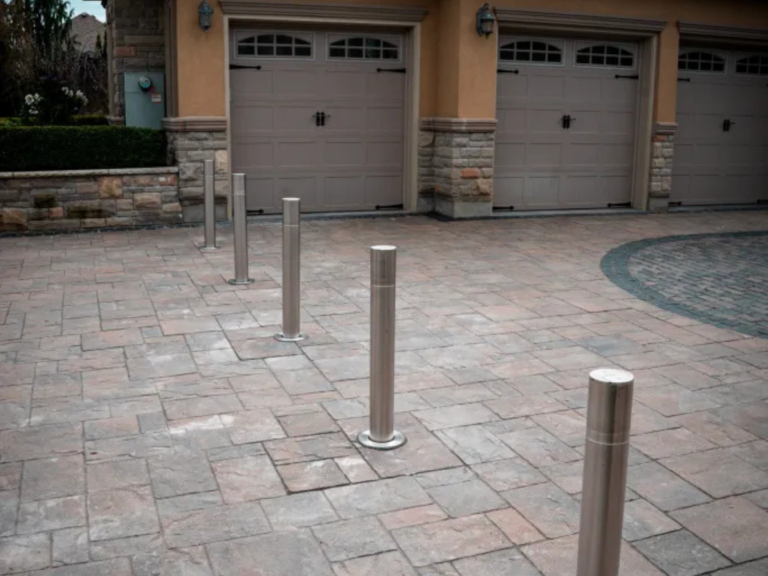
If you’ve had issues with cars cutting through your driveway, neighbours using your parking spot, or you simply want more control over who drives onto your property, a driveway bollard is worth considering. They’re more common in residential settings than most people realize, and they solve a specific problem in a clean, permanent way.
Here’s what homeowners typically want to know before they commit.
Why Homeowners Add a Bollard to Their Driveway
The reasons vary, but they usually come down to one of a few situations:
- Unauthorized access from neighbours, delivery drivers, or strangers using the driveway to turn around or park
- Safety concerns around kids, pets, or pedestrians in the driveway area
- Protection from vehicles accidentally rolling in or cutting a corner
- Security for a garage or backyard that’s accessible from the driveway
A drive bollard creates a physical stop point that makes it clear the space is controlled. Unlike signage, it actually enforces that.
Which Type Works Best for a Driveway
For residential use, two options come up most often.
Removable bollards are a good fit if you need regular vehicle access yourself. You pull the bollard out when you’re coming and going, and drop it back in when you want the driveway secured. They’re cost-effective and relatively easy to manage once installed.
Automatic (retractable) bollards are the more convenient option. With a key fob or remote, the bollard lowers when you pull in and raises once you’re through. No getting out of the car, no manual lifting. For homeowners who use their driveway daily, this is usually the preferred choice.
Fixed bollards can work in some driveway applications, typically on either side of an entrance to define the boundaries, but they’re not typically used as the primary access control mechanism since they’d block your own vehicle too.
What Installation Looks Like
Installing a driveway bollard involves cutting into your existing concrete or asphalt to create a sleeve, pouring concrete, and properly setting the bollard. For automatic bollards, there’s also electrical work involved.
It’s not a weekend project. The installation needs to be done correctly so the bollard sits level, holds firm, and doesn’t create a lip or hazard for vehicles driving over it when lowered.
A professional installer will assess your driveway surface, the width of the entrance, and the type of bollard that makes sense for your setup before making a recommendation.
What It Costs
Pricing depends on the type of bollard and the complexity of the installation. Removable bollards are the most affordable entry point. Automatic systems cost more but offer the best day-to-day convenience. Most installations can be completed in a single visit once the product is confirmed.
If you’re comparing quotes, make sure you’re looking at the full picture, including hardware and labour, not just the bollard itself.
One Thing Worth Noting
If your driveway connects to a shared laneway or sits within a strata or condo property, it’s worth checking whether there are any rules around what you can install at the entrance. Most standalone residential driveways have no restrictions, but it’s worth a quick check before you book the work.
Bollard Boys GTA
Bollard Boys GTA installs automatic bollards for residential and commercial properties across the Greater Toronto Area. Contact us to get a quote.
Interested in our manufactured automatic, fixed and retractable bollards? Visit our wholesale site to browse our options at bollardboys.com